| Interface | Buyer input |
|---|---|
| Electrical | Three-phase supply voltage, frequency in Hz and connected load in kW at the proposed pad. A leaflet kW figure is a connected-load hint, not a wiring design. |
| Utilities | Compressed air demand for clamps, sheet followers or gauging; cooling water only if the quoted hydraulic pack requires it. State available flow and pressure at the hall drop. |
| Controls | PLC interface or CNC program backup format, safety-circuit expectation and whether the same recipe must load after a second tool set is mounted. |
Independent machinery sourcing · Evidence
Press brake
Press Brake Sourcing is an independent sourcing partner for a press brake used to form buyer parts through a named bend sequence. We help equipment buyers collect comparable factory quotations. We do not own a bending hall, hold finished-machine inventory, or act as a brand-appointed reseller of any OEM. Stamping presses and fluid-cell forming presses sit outside this RFQ unless you add them as a separate line. Share material grade, thickness, bend length, quantity and destination to request factory quotes.
Request Factory Quotes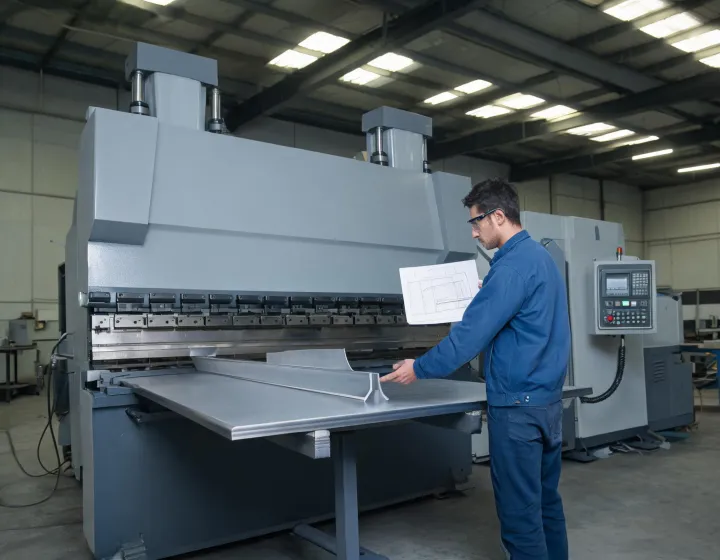
Compare procurement cost boundaries
Machine
Ram drive, CNC or hydraulic control, backgauge axes, crowning method and the punch/die set that will run the first part family. Catalogue tonnage without a die opening and punch geometry is an incomplete machine line.
Delivery
Crate, inland haul, ocean freight, duties and destination handling to the named receiving dock. Rank totals only after Incoterms appear on each factory reply.
Site
Foundation, three-phase supply, compressed air for clamps or sheet followers, installation, operator training and a first spare-parts list. These items often sit outside the machine price.
Resolve procurement unknowns
A press brake RFQ is complete only when the buyer names the material that will enter the machine and the supplier confirms load, tooling and collision checks for that duty. This desk compares replies; it does not sign FAT or SAT on the buyer’s behalf.
- Known input
- Provide material grade and tensile strength, thickness, bend lengths, inside radii, finished drawing revision and the full bend sequence. Name the largest sheet and the most awkward return flange. Throughput should be stated as acceptable parts per shift under those blanks, not ram speed alone. See why the RFQ should follow the bend sequence.
- Supplier confirmation
- Ask the factory to select punch and die, check collisions and flange access through every bend, and verify localized tool load plus off-center bending against machine and tooling ratings. A press brake tonnage calculator result is a screening estimate, not acceptance evidence.